

Warning: foreach() argument must be of type array|object, bool given in /home/u780765189/domains/akshayseed.com/public_html/wp-content/themes/akshayseed/single.php on line 8
How to Select the Best Seeds for Seasonal Crops
How to Select the Best Seeds for Seasonal Crops
Selecting the right seeds is one of the most important steps in successful farming. No matter how good your soil or irrigation system is, poor-quality seeds can lead to low yield and weak crop growth. For seasonal crops, choosing the best seeds becomes even more important because timing, climate, and crop variety all play a crucial role.
In this blog, we’ll guide you step by step on how to select the best seeds for seasonal crops to ensure better productivity and profitability.
Why Seed Selection Matters
Seeds are the foundation of agriculture. High-quality seeds lead to:
- Better germination rates
- Strong plant growth
- Higher resistance to pests and diseases
- Improved crop yield and quality
On the other hand, poor seeds can result in uneven growth, low production, and financial losses.
Understand Your Crop Season
Before selecting seeds, it’s important to understand the cropping season. In India, crops are mainly divided into:
Kharif Crops
These are grown during the monsoon season (June to October). Examples include rice, maize, and cotton.
Rabi Crops
These are grown in winter (October to March). Examples include wheat, mustard, and peas.
Zaid Crops
These are grown in the short summer season (March to June). Examples include watermelon and cucumber.
Choosing seeds that are suitable for the specific season ensures better growth and yield.
Check Seed Quality
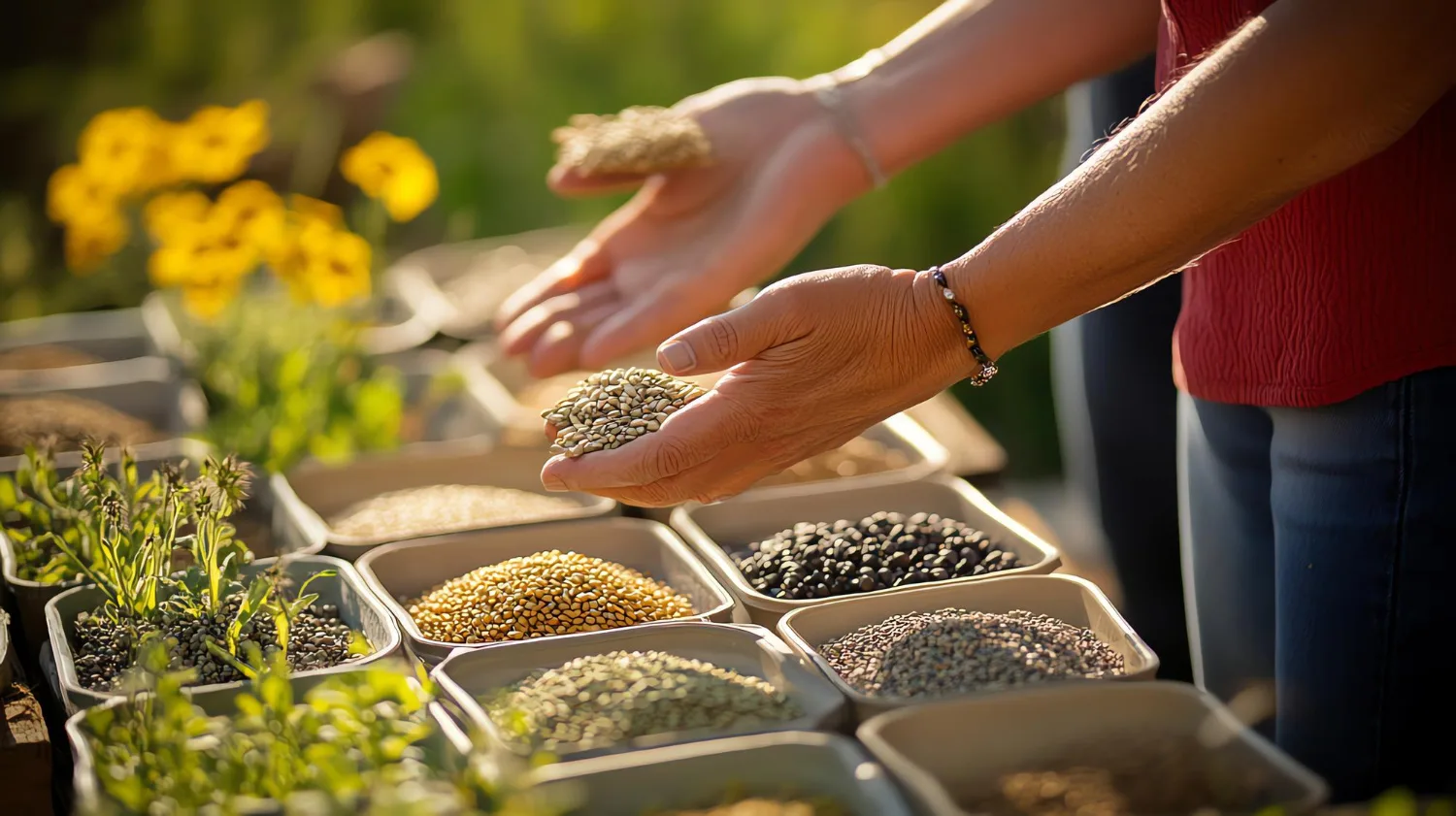
High-quality seeds are essential for good results. Here’s what to look for:
1. Germination Rate
Always choose seeds with a high germination percentage. This ensures most of the seeds will sprout.
2. Physical Purity
Seeds should be clean and free from dust, stones, and other crop seeds.
3. Health of Seeds
Avoid seeds that are damaged, discolored, or infected with pests and diseases.
Choose the Right Variety
- Select high-yielding varieties for better production
- Choose disease-resistant seeds to reduce crop loss
- Prefer climate-suitable varieties based on your region
For example, drought-resistant seeds are ideal for areas with low rainfall.
Consider Climate and Soil Conditions
Your local environment plays a major role in seed selection.
- For dry regions, choose drought-tolerant seeds
- For high rainfall areas, select water-resistant varieties
- Match seeds with your soil type (sandy, clay, or loamy)
This helps in better crop establishment and growth.
Buy Certified Seeds
Always purchase seeds from trusted sources such as:
- Government seed centers
- Certified dealers
- Reputed agricultural brands
Certified seeds are tested for quality and performance, ensuring better results compared to uncertified seeds.
Check Seed Treatment
Some seeds come pre-treated with fungicides or nutrients to protect against diseases and improve germination.
If seeds are not treated, you can treat them before sowing to improve crop health and reduce risks.
Look at Yield Potential and Market Demand
While selecting seeds, also consider:
- Expected yield per acre
- Demand and price of the crop in the market
This helps in maximizing profits along with productivity.
Conclusion
Choosing the best seeds for seasonal crops is a key factor in achieving successful farming. By selecting high-quality, climate-suitable, and certified seeds, farmers can improve germination, increase yield, and reduce risks.
A smart seed selection strategy not only ensures better crop performance but also leads to higher profits and sustainable farming.
FAQs
1. Why are certified seeds important?
Certified seeds ensure high quality, better germination, and disease resistance.
2. Can I use saved seeds from previous crops?
Yes, but only if they are healthy and properly stored. Certified seeds are usually more reliable.
3. How do I know if seeds are good quality?
Check germination rate, physical purity, and seed health before buying.