

Warning: foreach() argument must be of type array|object, bool given in /home/u780765189/domains/akshayseed.com/public_html/wp-content/themes/akshayseed/single.php on line 8
Seed Treatment Benefits: How Treated Seeds Improve Germination and Disease Resistance
Introduction
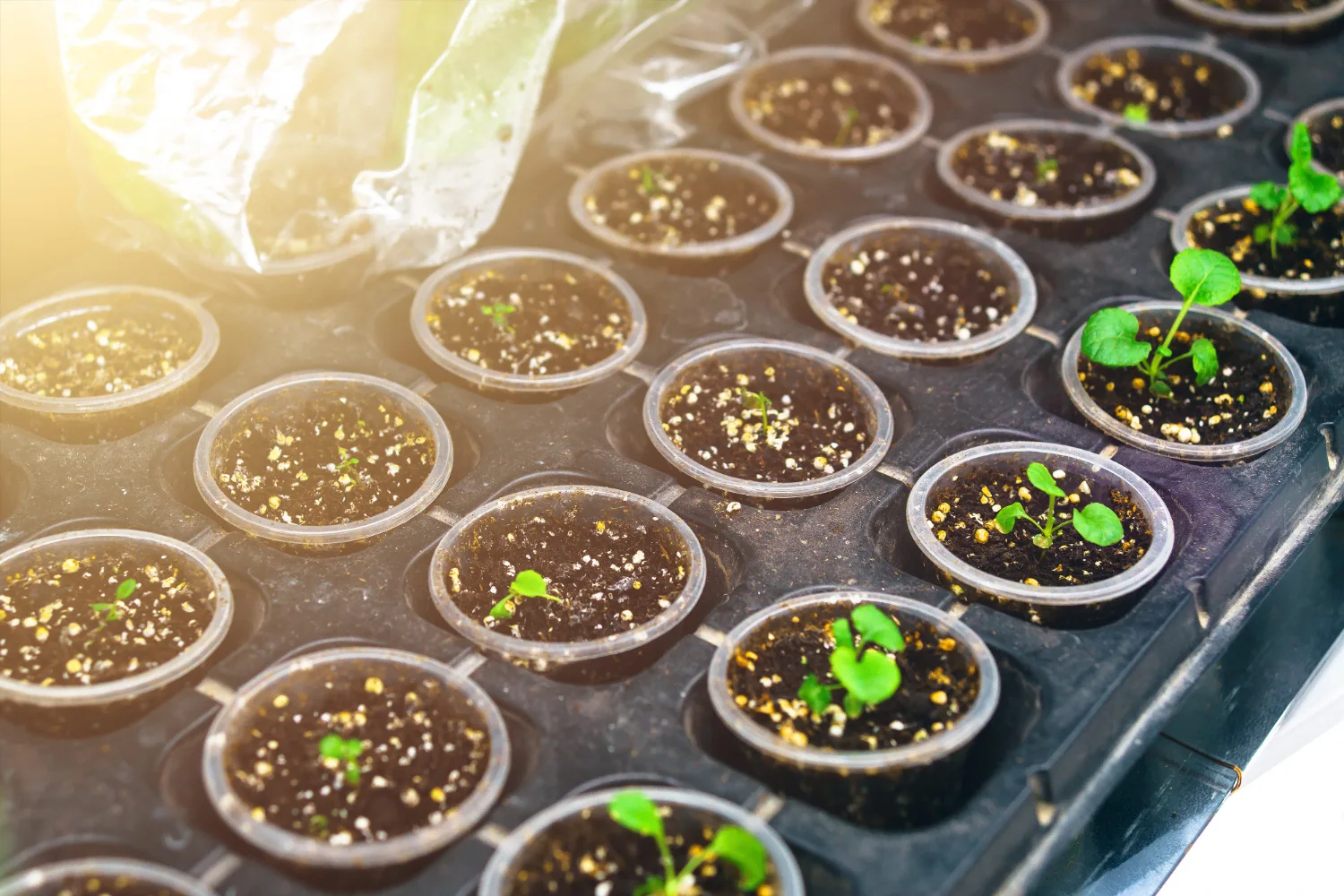
Seed treatment is a simple but powerful farming practice that plays a major role in improving germination, early crop establishment, and disease resistance. In many cases, poor crop performance starts at the seed stage due to soil-borne diseases, pests, or weak early growth.
This guide explains the benefits of seed treatment, how it works, and why treated seeds perform better than untreated seeds in modern agriculture.
What Is Seed Treatment?
Seed treatment is the process of applying protective or growth-enhancing substances to seeds before sowing. These treatments help protect seeds during germination and support healthy early plant development.
- Fungicides
- Insecticides
- Biofertilizers
- Micronutrients
- Growth promoters
Why Seed Treatment Is Important
During the early growth stage, seeds are highly vulnerable to multiple threats. Seed treatment provides a protective shield that helps seeds overcome these challenges.
- Soil-borne fungal diseases
- Insect attacks
- Poor soil conditions
- Nutrient deficiency
How Treated Seeds Improve Germination
Higher and Faster Germination Rate
Treated seeds germinate faster and more uniformly. Protection from fungi and pathogens allows seeds to sprout without damage, resulting in:
- Higher germination percentage
- Uniform crop stand
- Reduced gap filling and re-sowing
Strong Early Seedling Vigor
Seed treatments often include nutrients or growth stimulants that promote healthy early development.
- Strong root development
- Faster shoot growth
- Better seedling establishment
Healthy early growth gives plants a strong start and improves final yield.
Protection from Soil-Borne Diseases
Common soil-borne diseases such as root rot, damping-off, and seedling blight attack seeds during germination. Treated seeds are protected from these diseases, ensuring higher seed survival.
How Treated Seeds Improve Disease Resistance
Prevents Early-Stage Crop Loss
Seed treatment protects crops during their most vulnerable stage, significantly reducing early plant mortality caused by fungal and bacterial infections.
Reduces Pest Damage at Germination Stage
Insecticide-treated seeds protect seedlings from pests such as termites, shoot flies, and soil insects, reducing early crop damage.
Improves Plant Immunity and Stress Tolerance
Biological and micronutrient-based seed treatments activate natural defense mechanisms in plants, helping them tolerate:
- Disease pressure
- Moisture stress
- Temperature variations
Types of Seed Treatments Used in Agriculture
Chemical Seed Treatment
- Uses fungicides and insecticides
- Provides strong protection against diseases and pests
- Commonly used in cereals and commercial crops
Biological Seed Treatment
- Uses beneficial microbes such as bacteria and fungi
- Improves root growth and nutrient uptake
- Suitable for sustainable and organic farming
Nutrient and Growth-Based Treatment
- Includes micronutrients and growth promoters
- Enhances early plant vigor and uniformity
Benefits of Seed Treatment for Farmers
- Improved germination and uniform crop stand
- Reduced seedling mortality
- Lower pesticide and re-sowing costs
- Stronger and healthier crops
- Higher yield potential
- Better return on investment
Crops That Benefit Most from Seed Treatment
- Cereals such as rice, wheat, and maize
- Pulses such as chickpea, soybean, and lentil
- Oilseeds such as mustard and groundnut
- Vegetables such as tomato, chili, and onion
Best Practices for Seed Treatment
- Use only the recommended dosage
- Treat seeds just before sowing
- Dry treated seeds in shade
- Avoid mixing treated seeds with food or feed
- Follow safety guidelines during handling
Conclusion
Seed treatment is a low-cost, high-impact practice that significantly improves germination, disease resistance, and early crop growth. By protecting seeds at the most critical stage, treated seeds help farmers achieve better crop establishment, higher yield, and improved farm profitability.
Whether for cereals, pulses, vegetables, or oilseeds, seed treatment is an essential step toward successful and sustainable farming.