

Warning: foreach() argument must be of type array|object, bool given in /home/u780765189/domains/akshayseed.com/public_html/wp-content/themes/akshayseed/single.php on line 8
Importance of Seed Quality in Crop Growth and Farm Profitability
Best Seed Selection Tips for Vegetables, Cereals, and Pulses
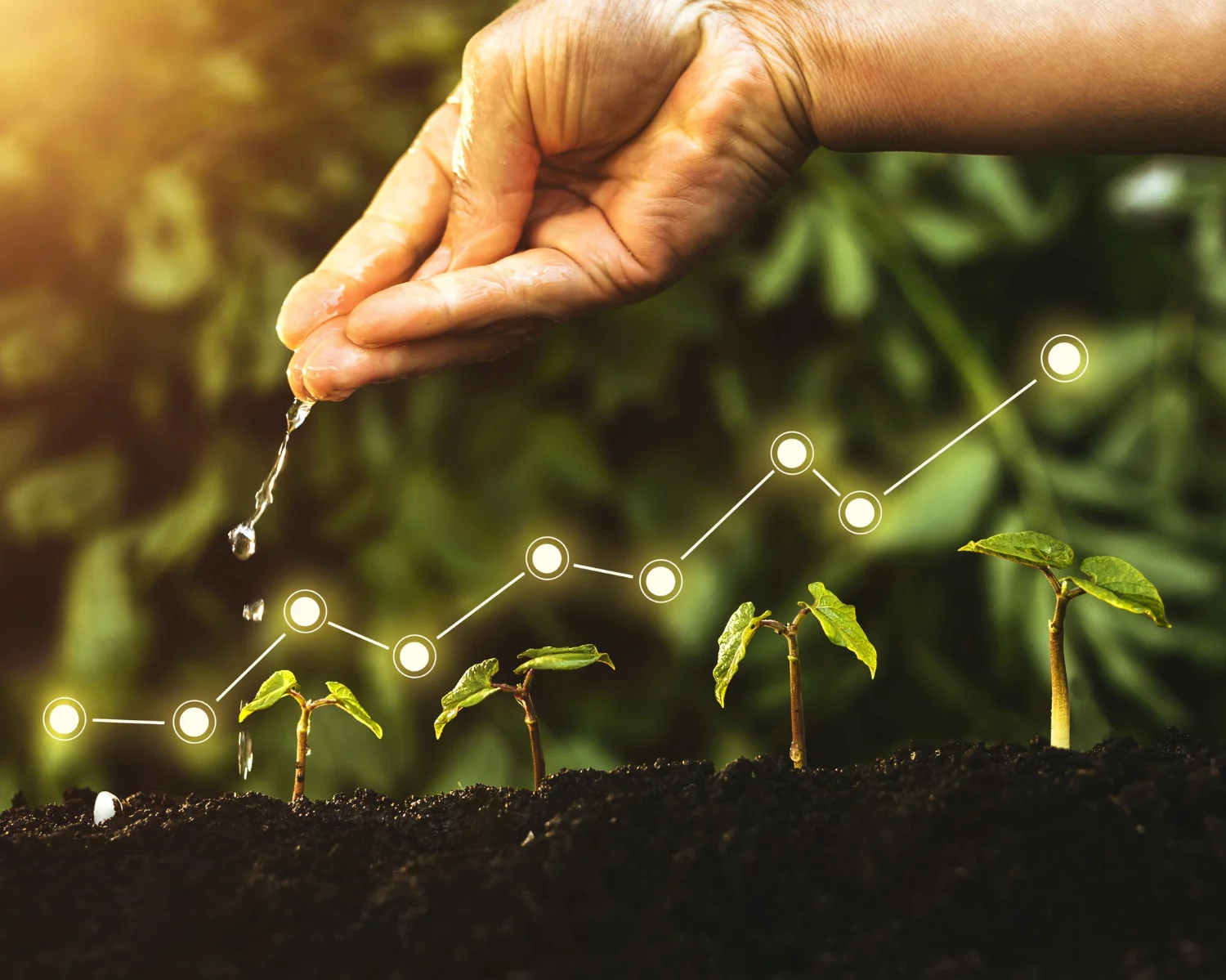
Seed quality is the foundation of successful farming. No matter how good fertilizers, irrigation, or crop management practices are, poor-quality seeds can drastically reduce yield and profits. High-quality seeds ensure better germination, uniform crop growth, and higher marketable produce.
This guide explains the importance of seed quality in crop growth and farm profitability and provides practical seed selection tips for vegetables, cereals, and pulses.
Importance of Seed Quality in Crop Growth
Higher Germination and Uniform Crop Stand
Good-quality seeds have a high germination percentage, resulting in a uniform plant population. Uniform crops:
- Use nutrients efficiently
- Compete less with weeds
- Grow evenly, making management easier
Strong Early Seedling Vigor
Quality seeds produce healthy seedlings with strong roots and shoots. Strong early growth helps plants:
- Absorb nutrients efficiently
- Withstand environmental stress
- Establish faster in the field
Better Resistance to Pests and Diseases
Certified and improved seeds are often disease-free or disease-tolerant, reducing early-stage crop losses and lowering pesticide costs.
Improved Response to Fertilizers and Irrigation
High-quality seeds respond better to nutrients and water, leading to:
- Better nutrient use efficiency
- Lower wastage of fertilizers
- Higher return on input costs
Importance of Seed Quality in Farm Profitability
Higher Yield per Acre
Quality seeds have higher genetic yield potential, directly increasing production and farm income.
Reduced Re-sowing and Gap Filling Costs
Poor seeds cause uneven germination, forcing farmers to re-sow fields. Quality seeds eliminate this extra cost and save time.
Better Market Quality and Price
Uniform size, shape, and maturity improve crop quality, resulting in:
- Better market acceptance
- Higher selling price
- Reduced post-harvest losses
Lower Risk and Stable Income
Quality seeds reduce crop failure risk, providing more stable and predictable farm income.
Best Seed Selection Tips for Different Crops
Seed Selection Tips for Vegetable Crops
Vegetables are high-value crops and require precise seed selection.
- Choose seeds with 90 percent or higher germination
- Hybrid or improved seeds provide better yield and uniform vegetables
- Select disease-resistant varieties, especially for tomato, chili, onion, and cucurbits
- Check seed size and uniformity for even germination
- Prefer treated or primed seeds for stronger early growth
Seed Selection Tips for Cereal Crops
Cereals such as rice, wheat, and maize cover large areas, so seed quality directly impacts farm economics.
- Use certified seeds to ensure genetic purity
- Choose varieties suitable for local climate and soil
- Ensure a minimum of 85 percent germination
- Avoid old or moisture-damaged seeds
Seed Selection Tips for Pulse Crops
Pulse crops such as chickpea, soybean, and lentil are sensitive to seed quality, especially during early growth stages.
- Prefer seeds with high physical purity
- Choose disease-tolerant varieties to reduce losses
- Use seed treatment to improve germination and root nodulation
- Select varieties suitable for rainfed and low-input conditions
Common Mistakes Farmers Should Avoid
- Buying seeds only based on low price
- Ignoring germination percentage
- Using seeds stored in poor conditions
- Selecting varieties not suitable for local climate
How Quality Seeds Improve Overall Farm Efficiency
- Better crop establishment
- Efficient use of fertilizers and water
- Lower pest and disease pressure
- Higher yield with lower risk
- Improved long-term profitability
Conclusion
Seed quality plays a critical role in crop growth and farm profitability. High-quality seeds ensure better germination, stronger plants, and higher yields while reducing unnecessary costs and risks.
By choosing the right seeds for vegetables, cereals, and pulses, farmers can build a strong foundation for a successful crop and achieve higher returns with sustainable farming practices.