

Warning: foreach() argument must be of type array|object, bool given in /home/u780765189/domains/akshayseed.com/public_html/wp-content/themes/akshayseed/single.php on line 8
How to Choose the Right Seeds for Higher Crop Yield and Better Germination
Introduction
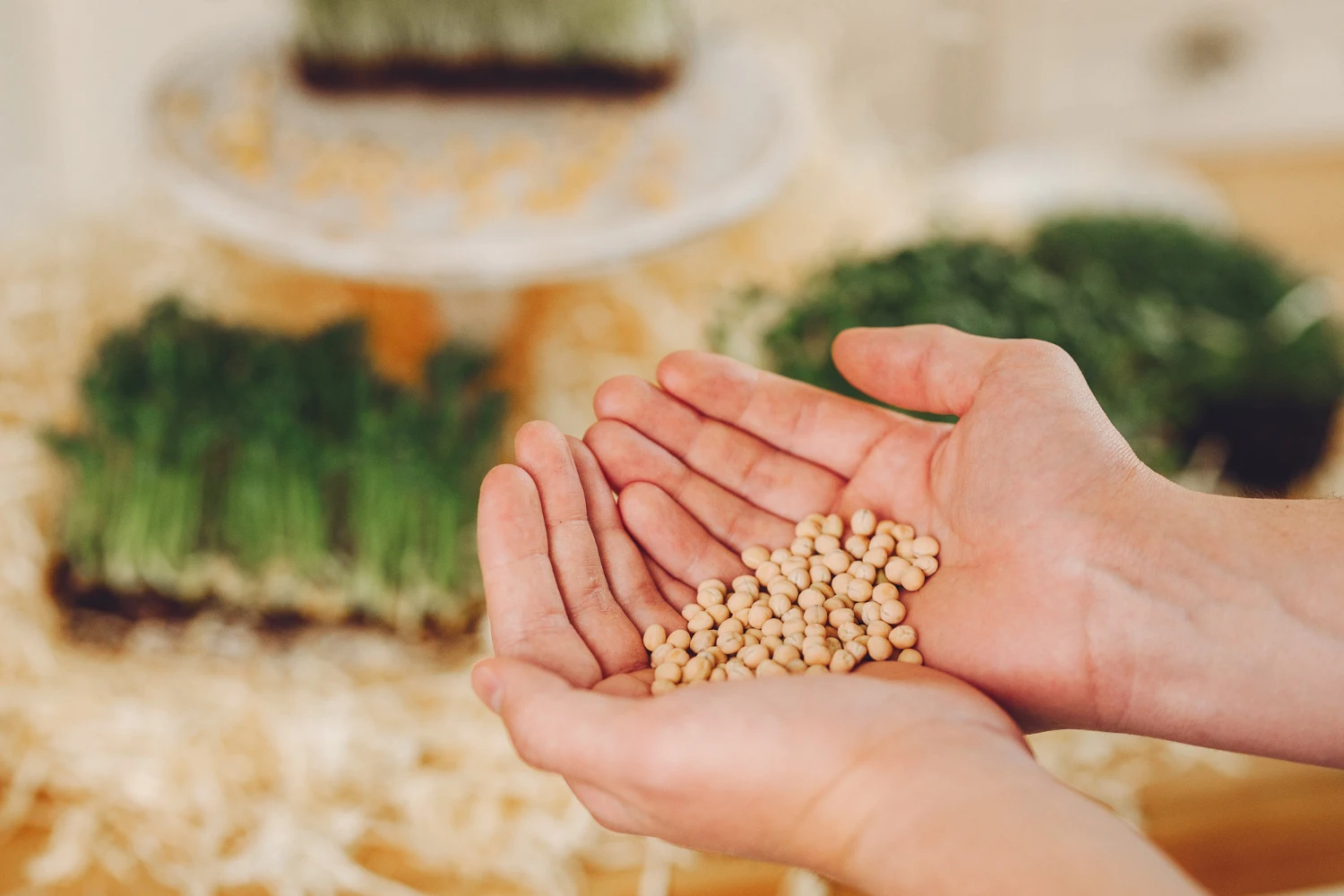
Seed quality is the first and most important factor that determines crop yield, uniform growth, and overall farm profitability. Even with the best fertilizers and irrigation practices, poor-quality seeds can lead to low germination, uneven crop stand, and reduced yield.
This guide explains how to choose the right seeds to achieve higher crop yield and better germination using simple, practical farming principles.
Why Seed Selection Is Critical for Crop Success
Seed quality directly influences germination percentage, plant vigor and uniformity, resistance to pests and diseases, and overall yield potential and crop quality.
Choosing the right seeds creates a strong foundation for healthy and productive crop growth.
Key Tips for Choosing the Right Seeds
Choose Certified and Quality-Tested Seeds
Always select certified seeds from reliable and trusted suppliers. Certified seeds are tested for high germination rate, genetic purity, physical cleanliness, and disease-free quality.
Using uncertified or mixed seeds often results in uneven germination and lower yields.
Check Germination Percentage
Germination percentage shows how many seeds will sprout under normal field conditions. For good results, field crops should have at least 85 percent germination, while vegetable seeds should have 90 percent or higher.
Higher germination ensures a uniform plant population and better use of land and inputs.
Select Crop- and Region-Specific Varieties
Seed performance varies based on climate, soil type, rainfall pattern, and irrigation availability. Choosing varieties recommended for your local region and season helps maximize yield and reduces the risk of crop failure.
Prefer Hybrid or Improved Varieties When Suitable
Hybrid and improved seed varieties often provide higher yield potential, better disease resistance, and more uniform crop growth.
It is important to ensure that hybrid seeds are suitable for your soil conditions and farming practices, while also considering seed cost and management requirements.
Ensure Seed Purity and Uniform Size
Seeds should be free from weed seeds, damaged grains, and foreign materials. Uniform seed size and shape help achieve even planting depth, synchronized germination, and consistent crop growth.
Check Seed Moisture Content
Seeds with high moisture content lose viability quickly. Quality seeds should be dry, firm, and free from mold or discoloration.
Low moisture content improves storage life and ensures stronger germination after sowing.
Choose Disease-Resistant Varieties
Disease-resistant seed varieties reduce crop loss and limit the need for chemical sprays. They help maintain plant health throughout the growing season and lower overall production costs.
Use Treated or Primed Seeds
Seed treatment protects seeds from soil-borne diseases and pests during early growth stages. Treated or primed seeds support faster and more uniform germination, stronger root development, and reduced seedling mortality.
Match Seed Choice with Soil Fertility and Farming Practice
High-yield seed varieties require balanced nutrition, proper irrigation, and good field management. Selecting seed types that match your soil fertility level and farming capacity ensures stable and consistent crop performance.
Store Seeds Properly Before Sowing
Improper storage reduces seed viability. Seeds should be stored in cool and dry conditions, protected from direct sunlight and moisture.
Using airtight containers where possible helps preserve germination potential until sowing time.
Common Mistakes to Avoid in Seed Selection
- Choosing seeds only based on low price
- Ignoring germination and purity standards
- Using old or poorly stored seeds
- Selecting non-local or unsuitable varieties
How Right Seed Selection Improves Yield and Germination
- Faster and more uniform crop emergence
- Strong root and shoot development
- Better nutrient and water utilization
- Reduced need for gap filling or re-sowing
- Higher yield with improved crop quality
Conclusion
Choosing the right seeds is the first step toward achieving higher crop yield and better germination. Certified quality seeds, suitable varieties, and proper handling ensure strong crop establishment and efficient use of farm inputs.
By investing in correct seed selection, farmers can improve productivity, reduce risk, and achieve higher long-term profitability.