

Warning: foreach() argument must be of type array|object, bool given in /home/u780765189/domains/akshayseed.com/public_html/wp-content/themes/akshayseed/single.php on line 8
How to Choose the Best Seeds for Your Farm: A Beginner’s Guide
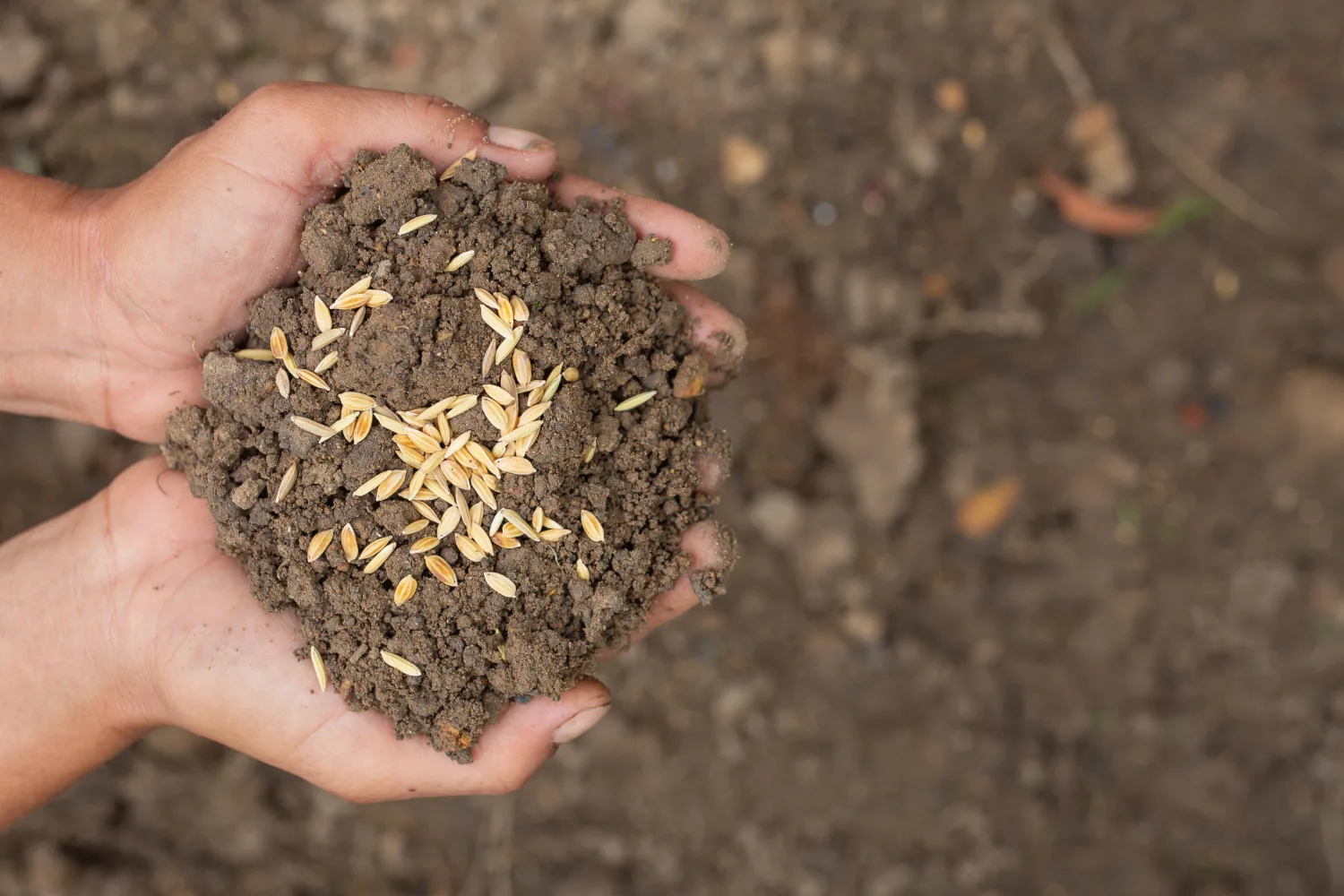
Choosing the right seeds is the first and most important step toward a successful farming season. No matter how good your soil preparation, irrigation, or fertilizer management is, poor seed selection can result in low yield, weak plants, and financial loss.
For beginners, seed selection can feel confusing due to the wide variety of options available—hybrid seeds, improved varieties, local seeds, certified seeds, and more. This guide explains how to choose the best seeds for your farm, step by step, in a simple and practical way.
Why Seed Selection Is So Important
Seeds determine:
- Crop yield potential
- Resistance to pests and diseases
- Crop quality and market value
- Water and nutrient efficiency
- Overall farm profitability
Good seeds can increase yield by 20–30% or more, even without changing other farming practices.
Understand Your Local Climate and Season
Before buying seeds, you must understand:
- Local temperature range
- Rainfall pattern
- Humidity level
- Length of growing season
Some seeds perform well in dry conditions, while others need high moisture. Choosing seeds suited to your local climate ensures better germination and survival.
Know Your Soil Type
Soil plays a major role in seed performance. Different crops and seed varieties prefer different soil conditions.
Key soil factors to consider:
- Soil texture (sandy, loamy, clayey)
- Soil fertility
- Soil pH (acidic, neutral, or alkaline)
- Drainage capacity
If possible, conduct a soil test before selecting seeds. It helps you choose varieties that perform best in your soil conditions.
Choose Seeds Based on Crop Type and Purpose
Decide why you are growing the crop:
- Home consumption
- Local market sale
- Export or processing
- Fodder or animal feed
For example:
- Market crops need high yield and uniform size
- Home crops may focus on taste and nutrition
- Processing crops need specific quality traits
Your purpose should guide your seed choice.
Types of Seeds Explained for Beginners
Local or Traditional Seeds
These seeds are adapted to local conditions and passed down over generations.
Advantages:
- Low cost
- Good adaptability
- Better tolerance to local stress
Limitations:
- Lower yield potential
- Non-uniform crops
Improved Varieties
Developed through research to improve yield and resistance.
Advantages:
- Better yield than local seeds
- Improved disease resistance
- Stable performance
Hybrid Seeds
Produced by crossing two parent varieties.
Advantages:
- High yield
- Uniform growth
- Better quality produce
Limitations:
- More expensive
- Seeds cannot be reused next season
Certified Seeds
Certified by authorized agencies to ensure quality and purity.
Benefits:
- High germination rate
- Free from weed seeds
- True to variety
Beginners are strongly advised to use certified seeds.
Check Seed Quality Before Buying
Always check:
- Germination percentage
- Seed purity
- Physical damage
- Expiry date
- Certification label
Avoid seeds that are broken, discolored, moldy, old, or poorly stored.
Disease and Pest Resistance Matters
Choose seed varieties that are resistant or tolerant to common local pests, fungal and bacterial diseases, and viral infections.
Disease-resistant seeds reduce crop loss, pesticide use, and farming costs.
Match Seeds With Water Availability
If water is limited, choose drought-tolerant or short-duration varieties. If irrigation is available, high-yielding varieties can be used. Seed choice should always match irrigation capacity.
Duration of the Crop (Crop Maturity Period)
Crops are classified as short-duration, medium-duration, and long-duration.
Beginners should prefer short or medium-duration crops because they are easier to manage and provide faster returns.
Buy Seeds From Trusted Sources
Always purchase seeds from authorized seed dealers, government seed centers, or reputed agricultural companies.
Avoid buying loose seeds without labels or seeds from unknown sellers.
Consider Market Demand Before Choosing Seeds
Before selecting seeds, check local market prices, identify demand trends, and talk to other farmers. Market-oriented seed selection improves profitability.
Start Small if You Are a Beginner
Instead of experimenting on the entire farm, start with a small area, test one or two varieties, and observe performance. This reduces risk and builds confidence.
Keep Records for Future Improvement
Maintain simple records of seed variety, yield, pest resistance, and market price. These records help you choose better seeds in future seasons.
Common Mistakes Beginners Should Avoid
- Choosing seeds without soil or climate knowledge
- Buying seeds only based on price
- Ignoring disease resistance
- Using old or uncertified seeds
- Planting unsuitable varieties
Conclusion
Choosing the right seeds is the foundation of successful farming. For beginners, understanding soil, climate, crop purpose, and seed quality is more important than chasing high yields alone.
By selecting the right seed for the right field, farmers can improve crop health, reduce risk, and achieve better productivity and profits. Seed selection is not an expense—it is an investment in your farm’s future.
Frequently Asked Questions (FAQ)
What is the best seed for beginners?
Certified seeds of improved varieties are best for beginners due to reliability and performance.
Are hybrid seeds good for new farmers?
Yes, but they require proper management and cannot be reused.
Can I reuse seeds from my harvest?
Local seeds can be reused, but hybrid seeds should not be reused.
How do I know if seeds are good quality?
Check germination rate, certification label, and physical appearance.
Should I choose seeds based on yield only?
No. Climate suitability, disease resistance, and market demand are equally important.
Are expensive seeds always better?
Not always. Suitability matters more than price.
How long can seeds be stored?
This depends on crop type and storage conditions.
Is seed treatment necessary?
Yes. Seed treatment protects young plants from pests and diseases.