

Warning: foreach() argument must be of type array|object, bool given in /home/u780765189/domains/akshayseed.com/public_html/wp-content/themes/akshayseed/single.php on line 8
Complete Guide to Groundnut Farming in India
Complete Guide to Groundnut Farming in India
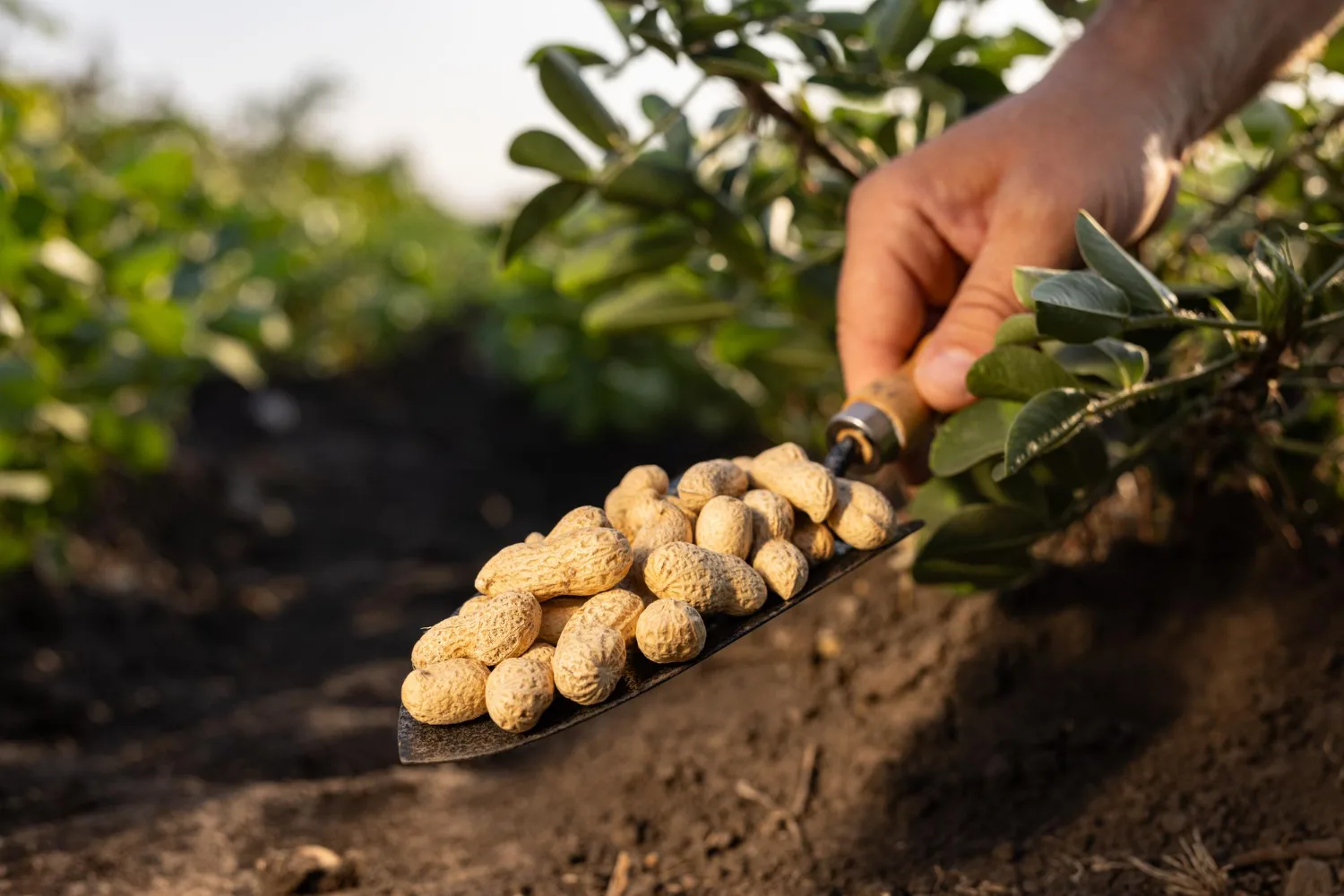
Groundnut, also known as peanut, is one of the most important oilseed crops grown in India. It is widely cultivated for its edible oil, protein-rich seeds, and various food products. Groundnut farming plays a significant role in the agricultural economy of India, especially in states like Gujarat, Andhra Pradesh, Tamil Nadu, Karnataka, and Maharashtra.
This guide explains everything about groundnut farming in India, including climate requirements, soil preparation, sowing methods, fertilizers, irrigation, pest control, and harvesting techniques.
Importance of Groundnut Farming in India
Groundnut is a highly valuable crop because it provides both food and oil. The seeds contain a high amount of protein, healthy fats, vitamins, and minerals, making them an important part of human and animal diets.
Main Uses of Groundnut
- Production of edible cooking oil.
- Consumption as roasted or boiled peanuts.
- Use in peanut butter and snacks.
- Groundnut cake used as animal feed.
- Oil used in cosmetics and industrial products.
Suitable Climate for Groundnut Cultivation
Groundnut grows best in warm and moderately humid climates. It is mainly cultivated in tropical and subtropical regions.
Climate Requirements
- Temperature between 25°C and 30°C is ideal.
- Requires moderate rainfall between 500 mm and 1000 mm.
- Needs plenty of sunlight for healthy growth.
- Excess rainfall can damage the crop.
Best Soil for Groundnut Farming
Groundnut grows well in light, well-drained soils that allow proper root and pod development. Sandy loam and loamy soils are considered ideal for groundnut cultivation.
Soil Characteristics
- Well-drained sandy loam soil.
- Soil pH between 6.0 and 7.5.
- Good organic matter content.
- Avoid heavy clay soils that retain excess water.
Land Preparation for Groundnut Cultivation
Proper land preparation is important to ensure good germination and root development. The soil should be loose and free from weeds.
Steps for Land Preparation
- Plough the field 2–3 times to loosen the soil.
- Remove weeds and crop residues.
- Level the land for proper irrigation.
- Add organic manure or compost to improve soil fertility.
Best Time for Groundnut Sowing
The sowing time depends on the cropping season and region. Groundnut is mainly grown during the Kharif and Rabi seasons in India.
Sowing Seasons
- Kharif season: June to July.
- Rabi season: October to November in some regions.
- Summer crop: January to February in irrigated areas.
Seed Selection and Sowing Method
Using high-quality seeds is important for achieving good yield. Seeds should be disease-free and well-developed.
Sowing Guidelines
- Seed rate: 80–100 kg per hectare.
- Spacing between rows: 30–45 cm.
- Spacing between plants: 10–15 cm.
- Sow seeds at a depth of 4–6 cm.
Fertilizer Requirements for Groundnut
Groundnut plants require proper nutrients for healthy growth and pod formation. Both organic and chemical fertilizers can be used.
Recommended Fertilizers
- Farmyard manure or compost before sowing.
- NPK fertilizers for balanced nutrition.
- Gypsum for better pod development.
- Micronutrients like zinc and boron if soil is deficient.
Irrigation Management
Groundnut crops require moderate irrigation. Overwatering should be avoided as it can cause root rot and fungal diseases.
Irrigation Tips
- First irrigation after sowing if rainfall is insufficient.
- Critical irrigation stages include flowering and pod formation.
- Avoid waterlogging in the field.
Pest and Disease Management
Pests and diseases can significantly affect groundnut yield if not controlled properly. Regular monitoring and timely treatment are important.
Common Pests and Diseases
- Aphids and leaf miners.
- White grubs.
- Leaf spot disease.
- Rust disease.
Control Measures
- Use pest-resistant varieties.
- Apply recommended pesticides when necessary.
- Maintain proper crop rotation.
- Remove infected plants to prevent spread.
Harvesting of Groundnut Crop
Groundnut is usually ready for harvesting 100–120 days after sowing, depending on the variety and growing conditions.
Signs of Harvesting
- Leaves turn yellow and start drying.
- Pods become mature and hard.
- Kernels inside the pods become fully developed.
Plants are uprooted from the soil and left to dry in the field for a few days before separating the pods.
Yield of Groundnut in India
The yield of groundnut depends on factors such as variety, soil fertility, irrigation, and pest control. On average, farmers can produce between 1500 kg and 2500 kg per hectare under good farming practices.
Conclusion
Groundnut farming is an important and profitable agricultural activity in India. With proper soil preparation, quality seeds, balanced fertilization, and effective pest management, farmers can achieve high productivity and better profits.
By adopting modern farming techniques and sustainable agricultural practices, groundnut farmers can improve crop yield, maintain soil health, and contribute to the growing demand for edible oils and nutritious food products.