

Warning: foreach() argument must be of type array|object, bool given in /home/u780765189/domains/akshayseed.com/public_html/wp-content/themes/akshayseed/single.php on line 8
Guide to Seed Germination: Best Practices for Success
Seed Germination: The Foundation of a Successful Crop
Seed germination is the foundation of a successful crop. Even the best-quality seeds can fail if germination conditions are poor. Understanding the seed germination process and following the right practices ensures strong seedlings, uniform crop growth, and high farm yield.
This guide explains what seed germination is, factors affecting it, and best practices for successful seed germination.
What Is Seed Germination?
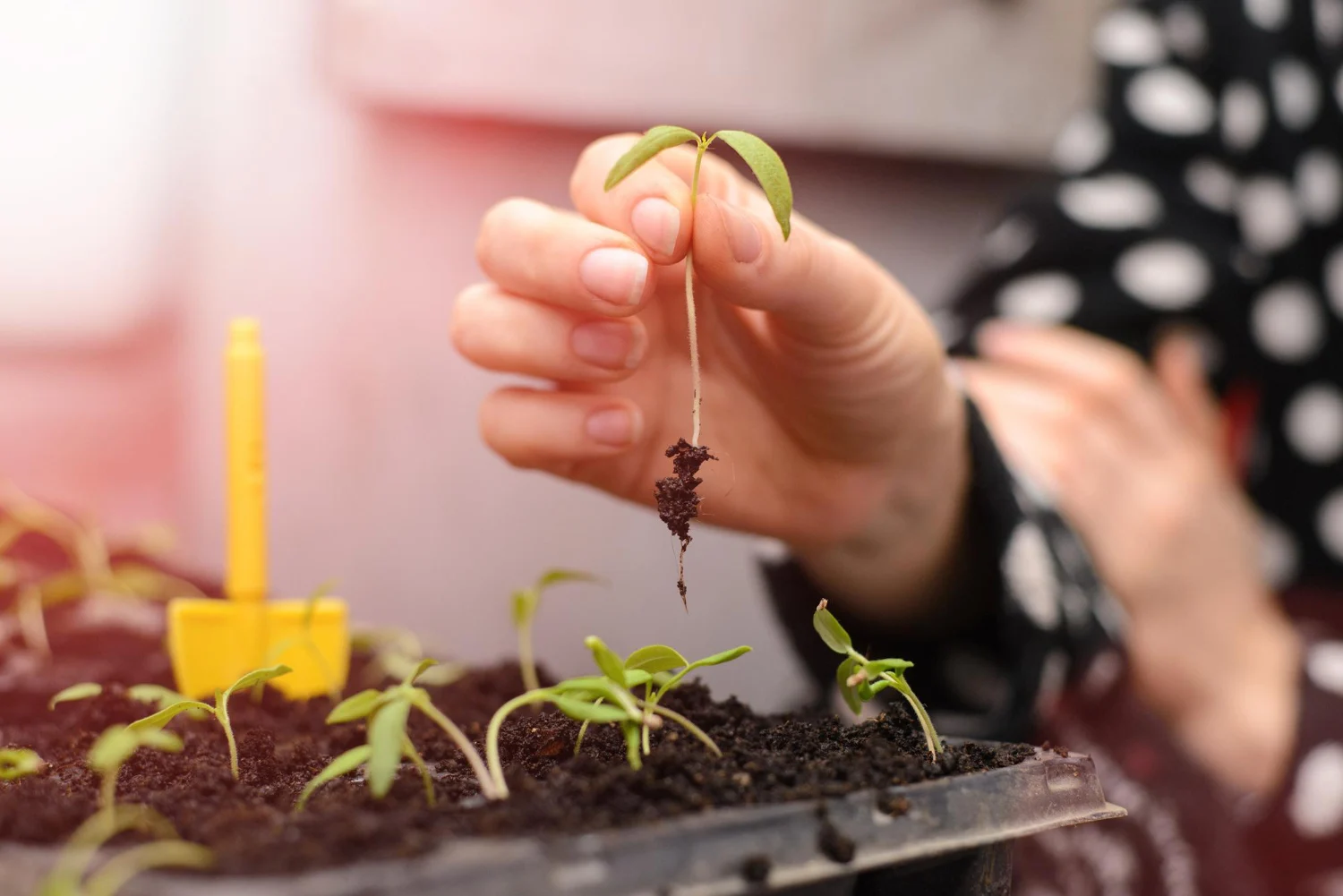
Seed germination is the process by which a seed absorbs water, activates internal enzymes, and begins to grow into a seedling. Proper germination leads to:
- Healthy plant establishment
- Uniform crop stand
- Better nutrient uptake
- Higher productivity
Good germination is essential for high crop yield and farm profitability.
Key Factors Affecting Seed Germination
Seed Quality
High-quality seeds with a high germination percentage perform better. Always use certified seeds to ensure purity and viability.
Moisture Availability
Seeds require adequate moisture to start germination. Too little water delays germination, while too much causes seed rot.
Maintaining optimum soil moisture is critical.
Soil Temperature
Each crop has an ideal temperature range for germination. Incorrect temperature leads to slow or uneven emergence.
Oxygen Availability
Seeds need oxygen for respiration. Poor soil aeration or waterlogging reduces germination success.
Soil Type and Structure
Loose, well-drained soil promotes better root emergence and seedling growth.
Best Practices for Successful Seed Germination
Use Certified and Fresh Seeds
Avoid old or improperly stored seeds. Fresh certified seeds ensure better germination and crop uniformity.
Perform a Germination Test
Before sowing, conduct a seed germination test to check viability. This helps avoid poor plant population in the field.
Proper Seed Treatment
Seed treatment protects seeds from soil-borne diseases and pests. It also improves early seedling vigor.
Correct Sowing Depth
Sowing seeds too deep or too shallow reduces germination. Follow crop-specific sowing depth recommendations.
Maintain Proper Spacing
Adequate spacing ensures:
- Good air circulation
- Reduced disease pressure
- Strong root development
Timely Irrigation
Light irrigation after sowing helps activate germination. Avoid heavy irrigation that causes waterlogging.
Use Suitable Soil Media for Nursery Crops
For nursery raising, use well-drained and nutrient-rich soil or growing media for better germination.
Role of Seed Germination in High Farm Yield
Uniform and healthy germination leads to:
- Strong crop establishment
- Efficient fertilizer use
- Better pest resistance
- Higher and stable yields
Good germination sets the stage for successful farming.
Organic and Chemical Support for Germination
- Organic methods include biofertilizers, compost, and organic seed treatment
- Chemical methods include fungicide seed treatment using recommended dosage
Choose methods based on farming system and crop type.
Mistakes Farmers Should Avoid
- Using expired or low-quality seeds
- Ignoring soil moisture conditions
- Over-irrigation after sowing
- Skipping seed treatment
- Incorrect sowing depth
Avoiding these mistakes improves germination rate and crop success.
Common Seed Germination Problems and Solutions
Many farmers experience poor crop establishment even after using good seeds. The reason is often seed germination problems caused by improper handling, soil conditions, or environmental stress.
Why Seed Germination Fails
Seed germination can fail due to:
- Poor seed quality
- Incorrect soil moisture
- Temperature stress
- Soil-borne diseases
- Improper sowing practices
Poor or Uneven Germination
Caused by old seeds, low germination percentage, and uneven sowing depth.
Solution: Use certified seeds, conduct a germination test, and ensure uniform sowing.
Seed Rot After Sowing
Caused by excess irrigation, poor soil drainage, and fungal infection.
Solution: Improve drainage and apply proper seed treatment before sowing.
Delayed Germination
Caused by low soil temperature and dry soil conditions.
Solution: Sow at the recommended season and maintain optimum soil moisture.
Weak or Thin Seedlings
Caused by poor seed vigor and nutrient deficiency.
Solution: Use high-quality seeds and prepare nutrient-rich soil.
Best Practices to Prevent Germination Problems
- Use fresh, certified seeds
- Follow correct sowing depth
- Avoid over-irrigation
- Ensure good soil aeration
- Practice crop- and region-specific sowing
Seed Germination Test at Home
Before sowing, farmers can avoid crop loss by testing seed quality at home. A seed germination test helps determine whether seeds are suitable for planting.
What Is a Seed Germination Test?
A seed germination test checks the percentage of seeds that can successfully sprout under favorable conditions.
Why Germination Testing Is Important
- Ensures high germination percentage
- Prevents patchy fields
- Improves crop uniformity
- Increases yield confidence
How to Perform a Seed Germination Test at Home
Select Seeds
Take 20 to 50 seeds randomly from the seed lot.
Prepare Moist Medium
Use wet cloth, paper towel, sand, or soil. Ensure it is moist, not dripping.
Place Seeds
Spread seeds evenly and cover lightly.
Keep in a Warm Place
Maintain suitable temperature and moisture for the crop.
Observe Germination
After 5 to 10 days depending on the crop, count sprouted seeds.
How to Calculate Germination Percentage
Germination Percentage = (Number of seeds germinated ÷ Total seeds tested) × 100
A germination rate above 80 percent is considered good for most crops.
What to Do If Germination Is Low
- Increase seed rate slightly
- Replace poor-quality seeds
- Improve seed storage conditions
- Use seed treatment
Conclusion
Successful farming begins with proper seed germination. By using high-quality seeds, maintaining correct moisture and temperature, following recommended sowing practices, and avoiding common mistakes, farmers can achieve healthy seedlings and higher farm yield. Strong germination ensures better crop performance and long-term agricultural success.