

Warning: foreach() argument must be of type array|object, bool given in /home/u780765189/domains/akshayseed.com/public_html/wp-content/themes/akshayseed/single.php on line 8
Best Crop Seeds for Kharif Season in India
Introduction
Agriculture in India is deeply connected to the rhythm of the monsoon. Among the three main agricultural seasons—Kharif, Rabi, and Zaid—the Kharif season plays a crucial role in ensuring food security, rural income, and economic stability.
Choosing the right crop seeds for the Kharif season can make a huge difference between an average harvest and a profitable one.
The Kharif season begins with the arrival of the southwest monsoon, typically from June to July, and crops are harvested between September and October.
These crops depend heavily on rainfall, temperature, soil moisture, and proper seed selection.
Understanding the Kharif Season
What is the Kharif Season?
The Kharif season refers to crops that are sown with the onset of monsoon rains. These crops require:
- Warm weather
- Moderate to heavy rainfall
- Humid climate
- Well-drained soil
Most Kharif crops grow best in temperatures ranging from 25°C to 35°C.
Why Seed Selection Matters
Selecting the right seed variety ensures:
- Better germination
- Resistance to pests and diseases
- Higher yield
- Adaptability to local climate
- Efficient water usage
Poor seed choice can lead to crop failure even with good rainfall.
Best Cereal Crop Seeds for Kharif Season
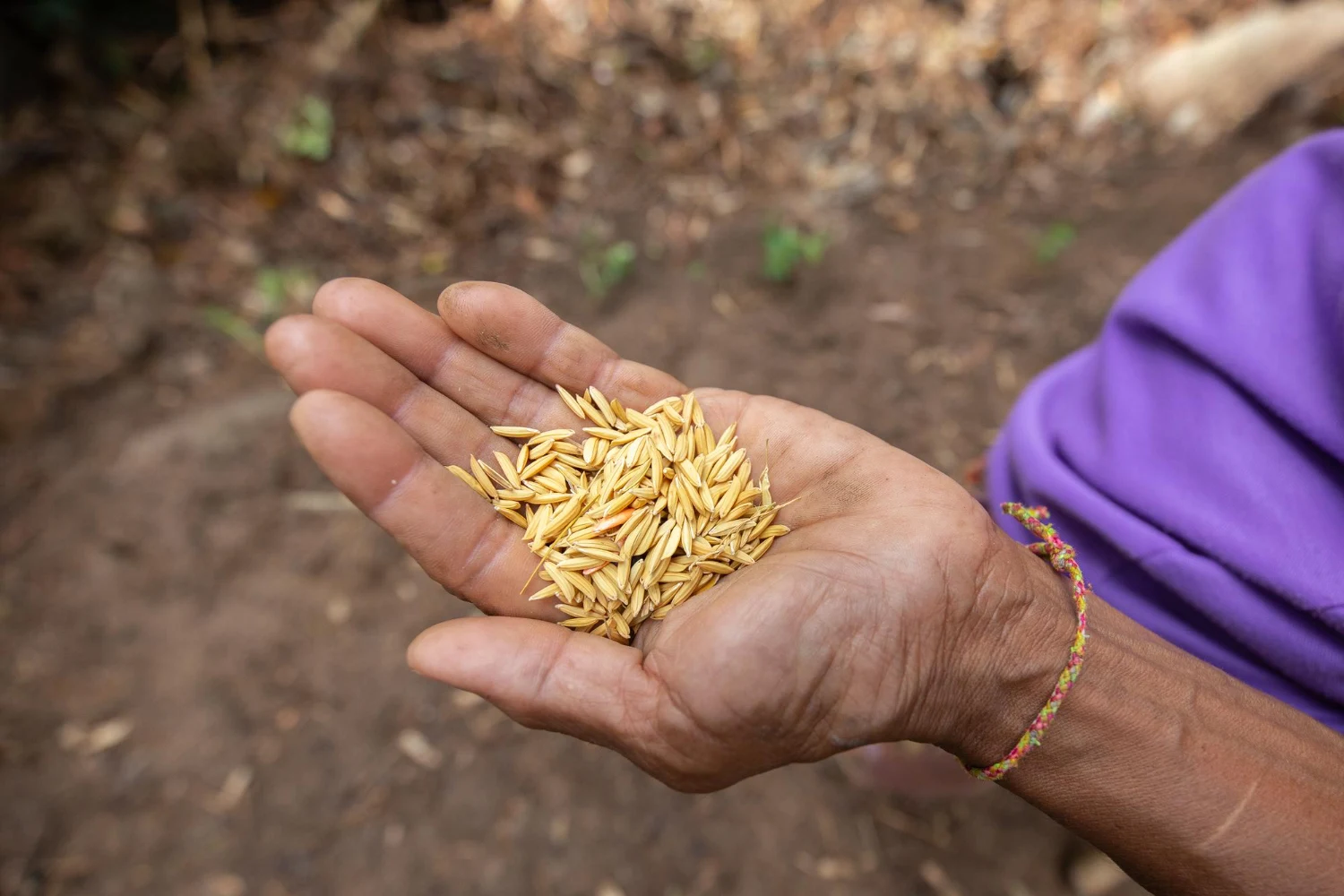
1. Rice (Paddy)
Rice is the most important Kharif crop in India, especially in states with abundant rainfall.
Ideal Conditions
- Rainfall: 100–200 cm
- Temperature: 22–32°C
- Soil: Clayey or loamy
Popular Seed Varieties
- Short-duration varieties for rainfed areas
- Medium-duration varieties for irrigated fields
- Flood-tolerant varieties for lowlands
Major Growing States
- West Bengal
- Uttar Pradesh
- Punjab
- Odisha
- Chhattisgarh
- Andhra Pradesh
- Tamil Nadu
2. Maize (Corn)
Maize is a fast-growing and versatile crop used for food, fodder, and industry.
Ideal Conditions
- Rainfall: 50–100 cm
- Temperature: 21–27°C
- Soil: Well-drained loamy soil
Why Choose Maize Seeds
- High yield potential
- Short growing period
- Suitable for mixed farming
Major Growing States
- Karnataka
- Madhya Pradesh
- Bihar
- Telangana
- Maharashtra
3. Jowar (Sorghum)
- Drought tolerant
- Low input cost
- High nutritional value
Major Growing States
- Maharashtra
- Karnataka
- Telangana
- Andhra Pradesh
4. Bajra (Pearl Millet)
- Excellent drought resistance
- Suitable for sandy soils
- Minimal irrigation needed
Major Growing States
- Rajasthan
- Gujarat
- Haryana
- Uttar Pradesh
Factors to Consider Before Choosing Kharif Seeds
- Rainfall pattern in your region
- Soil type and fertility
- Market demand and MSP
- Crop duration
- Pest and disease resistance
- Availability of irrigation
Conclusion
The success of Kharif farming in India largely depends on choosing the right crop seeds based on rainfall, soil type, and local conditions.
Smart seed selection today ensures food security and farm prosperity tomorrow.