

Warning: foreach() argument must be of type array|object, bool given in /home/u780765189/domains/akshayseed.com/public_html/wp-content/themes/akshayseed/single.php on line 8
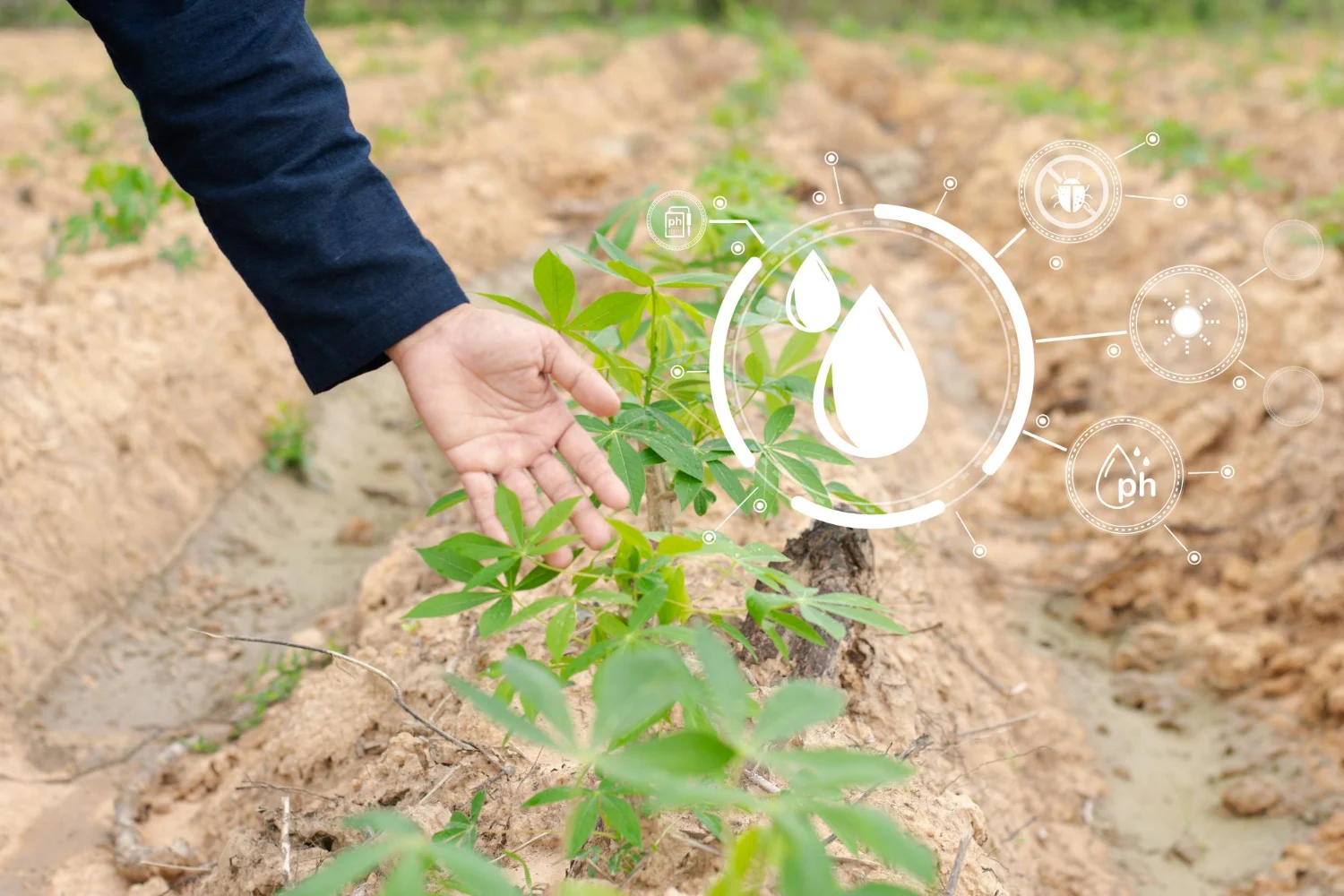
Smart Water Management: How to Protect Your Crops During Dry Spells
Smart Water Management: How to Protect Your Crops During Dry Spells
Water is one of the most critical resources in agriculture, and prolonged dry spells can severely impact crop growth, yield, and farm profitability. With changing climate patterns and increasing water scarcity, farmers must adopt smart water management practices to ensure crops receive adequate moisture even during periods of low rainfall.
Effective water management not only helps crops survive drought conditions but also improves water-use efficiency, reduces production costs, and supports sustainable farming. In this guide, we’ll explore practical strategies farmers can use to protect their crops during dry spells.
Understanding the Impact of Dry Spells on Crops
Dry spells occur when rainfall is significantly reduced for an extended period during the growing season. Lack of moisture can stress plants, reduce nutrient uptake, hinder growth, and lower crop yields.
- Reduced seed germination rates.
- Stunted plant growth.
- Flower and fruit drop.
- Lower nutrient absorption.
- Increased susceptibility to pests and diseases.
- Significant yield losses.
Why Smart Water Management Matters
Smart water management focuses on maximizing every drop of water available to crops. By using efficient irrigation methods and moisture conservation techniques, farmers can maintain crop health while minimizing water wastage.
- Improves water-use efficiency.
- Reduces drought-related crop losses.
- Enhances crop productivity.
- Lowers irrigation costs.
- Supports long-term sustainability.
1. Adopt Efficient Irrigation Systems
Traditional irrigation methods often result in significant water loss through evaporation and runoff. Modern irrigation systems deliver water directly to plant roots, improving efficiency and reducing wastage.
Drip Irrigation
- Delivers water directly to the root zone.
- Minimizes evaporation losses.
- Improves water-use efficiency.
- Reduces weed growth.
Sprinkler Irrigation
- Provides uniform water distribution.
- Suitable for a wide range of crops.
- Helps maintain soil moisture during dry periods.
2. Monitor Soil Moisture Regularly
Understanding soil moisture levels helps farmers apply water only when necessary. Overwatering wastes valuable resources, while underwatering can stress crops.
- Use soil moisture sensors.
- Conduct regular field inspections.
- Schedule irrigation based on crop needs.
- Avoid unnecessary watering.
3. Practice Mulching
Mulching involves covering the soil surface with organic or inorganic materials to reduce moisture loss and improve soil health.
- Reduces evaporation from the soil.
- Maintains consistent soil temperature.
- Suppresses weed growth.
- Improves water retention.
- Enhances soil fertility when organic mulch is used.
4. Improve Soil Organic Matter
Soils rich in organic matter can retain more water and provide better support during dry conditions. Compost, manure, and cover crops can significantly improve soil structure.
- Increases water-holding capacity.
- Improves root development.
- Enhances nutrient availability.
- Promotes healthier plant growth.
5. Harvest and Store Rainwater
Rainwater harvesting allows farmers to capture and store water during rainy periods for use during droughts and dry spells.
- Build farm ponds and reservoirs.
- Install rainwater collection systems.
- Store runoff for future irrigation needs.
- Reduce dependency on groundwater.
6. Choose Drought-Tolerant Crop Varieties
Modern seed technologies have produced crop varieties capable of performing better under water-limited conditions.
- Require less water.
- Maintain productivity during dry periods.
- Offer greater resilience to climate stress.
- Reduce the risk of crop failure.
7. Optimize Irrigation Timing
The timing of irrigation can significantly impact water efficiency. Watering during cooler parts of the day reduces evaporation losses.
- Irrigate early in the morning.
- Avoid watering during peak afternoon heat.
- Use weather forecasts to plan irrigation schedules.
- Apply water according to crop growth stages.
8. Reduce Water Loss Through Field Management
Proper field management practices help retain moisture and improve water utilization.
- Level fields to prevent runoff.
- Control weeds that compete for moisture.
- Minimize unnecessary soil disturbance.
- Use conservation tillage practices.
9. Prioritize Critical Growth Stages
Crops require more water during specific growth stages such as germination, flowering, and fruit development. Prioritizing irrigation during these periods can minimize yield losses.
- Focus on watering during flowering.
- Ensure adequate moisture during seed formation.
- Protect young seedlings from water stress.
10. Use Smart Farming Technologies
Modern agricultural technologies enable farmers to monitor weather conditions, soil moisture, and irrigation requirements in real time.
- Soil moisture monitoring systems.
- Automated irrigation controllers.
- Weather forecasting tools.
- Remote sensing and satellite data.
Signs Your Crops Are Experiencing Water Stress
Early detection of water stress can help farmers take corrective action before significant damage occurs.
- Wilting leaves.
- Leaf curling or rolling.
- Yellowing foliage.
- Reduced growth rate.
- Premature flower or fruit drop.
- Lower crop quality.
Long-Term Strategies for Drought Resilience
Building drought resilience requires a combination of water conservation, soil improvement, and crop management practices.
- Invest in efficient irrigation infrastructure.
- Improve soil health continuously.
- Diversify crop production.
- Adopt climate-smart farming techniques.
- Develop on-farm water storage systems.
Conclusion
Dry spells can pose serious challenges for farmers, but smart water management strategies can significantly reduce their impact. By adopting efficient irrigation systems, conserving soil moisture, improving soil health, harvesting rainwater, and utilizing modern farming technologies, growers can protect their crops and maintain productivity even under challenging weather conditions. Proactive water management is not just a response to drought—it is a key component of sustainable and profitable agriculture.